
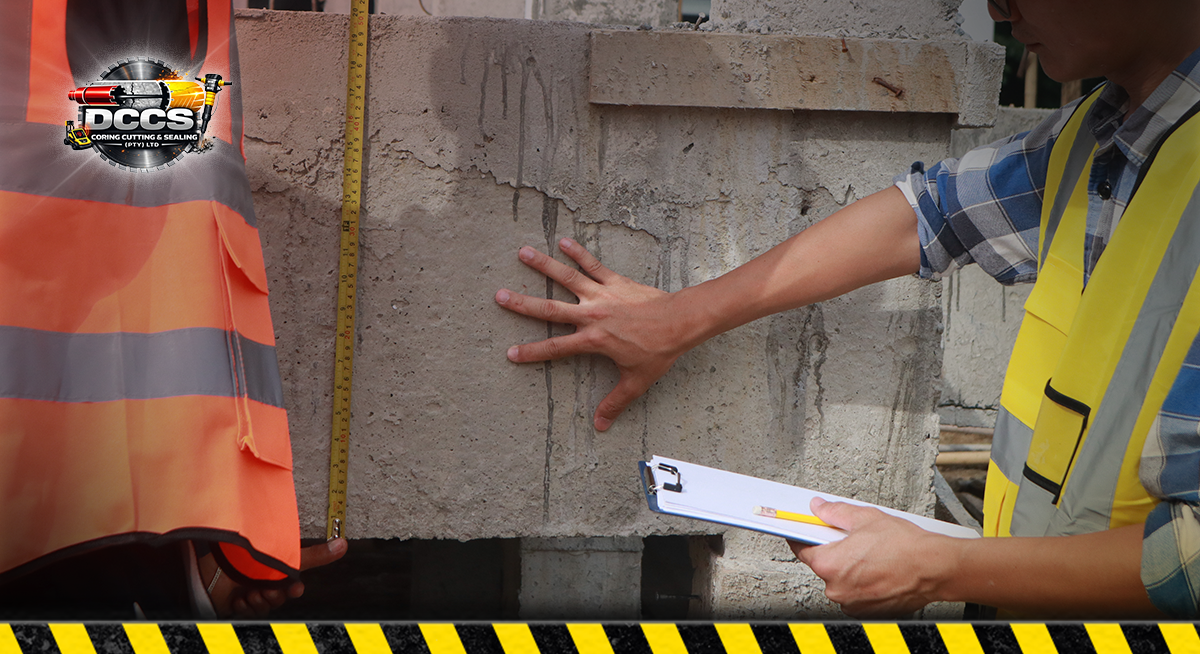
Common Concrete Defects and How to Fix Them
Common Concrete Defects and How to Fix Them
Concrete defects are more than surface-level issues. For contractors, QS teams, engineers, consultants, property developers, asset owners, facilities managers and maintenance teams, visible concrete damage can point to deeper structural, durability, moisture, or performance concerns.
Knowing how to get rid of concrete defects, how to repair concrete and how to fix defects correctly can help reduce downtime, avoid unnecessary replacement and protect the long-term performance of a structure.
Common defects such as cracks, spalling concrete, honeycombing, delamination, reinforcement corrosion, worn surfaces and water ingress should not be ignored. Some defects can be repaired using targeted crack injection or epoxy concrete repair. Others may need structural concrete repairs, surface reinstatement, removal of damaged concrete, or a more detailed repair method.
DCCS supports concrete repair services for active sites, commercial buildings, industrial environments and structural remediation projects. With a method-led approach, practical site experience and a broader concrete capability across cutting, coring, demolition and repairs, DCCS helps project teams choose the right repair method for the defect, the structure and the long-term performance requirement.
Why Concrete Defects Should Not Be Ignored
Concrete defects often start small, but they can spread quickly when the underlying cause is not addressed.
A fine crack can allow water to enter.
The water can reach the reinforcement.
The reinforcement can corrode and expand.
That expansion can cause cracking, delamination and spalling of concrete.
For active construction sites and operational buildings, this can create safety risks, programme delays and unplanned maintenance.
Ignoring concrete defects can lead to:
-
Water ingress
-
Reinforcement corrosion
-
Spalling concrete
-
Widening cracks
-
Surface failure
-
Reduced durability
-
Structural weakening
-
Safety concerns
-
Increased repair costs
-
Downtime in operational environments
-
Disruption to tenants, staff, machinery, or follow-on trades
For QS and procurement teams, early identification supports better cost control. For engineers and consultants, it supports correct method selection. For facilities managers and asset owners, it protects the building and reduces the risk of repeat repairs.
DCCS’s concrete repair services are built around practical assessment, correct method selection and reliable execution. The aim is not only to make the defect disappear, but to help prevent the problem from becoming more expensive later.
What Causes Concrete Defects?
Before deciding how to repair concrete, it is important to understand what caused the defect. The same visible symptom can have different causes, and each cause may require a different repair method.
Concrete defects can be caused by:
-
Water ingress
-
Poor concrete curing
-
Shrinkage
-
Structural movement
-
Settlement
-
Impact damage
-
Overloading
-
Reinforcement corrosion
-
Chemical exposure
-
Poor workmanship
-
Poor compaction
-
Inadequate concrete cover
-
Thermal movement
-
Construction joint issues
-
Long-term wear and abrasion
For example, a crack caused by shrinkage may require a different repair method from a crack caused by movement or reinforcement corrosion. Spalling concrete caused by steel corrosion is different from minor surface damage caused by impact. Honeycombing caused during placement may require assessment of depth and severity before the repair is selected.
This is why DCCS uses a method-led approach. The repair must match the cause, not only the visible defect.
Types of Concrete Defects
Concrete Cracks
Concrete cracks are one of the most common concrete defects. They can appear in slabs, walls, beams, columns, basements, retaining structures, floors and other concrete elements.
Not all cracks are equally serious. Some are cosmetic. Others may indicate water ingress, movement, settlement, structural stress, poor joint design, or reinforcement corrosion.
Common Types of Concrete Cracks
-
Shrinkage cracks
-
Settlement cracks
-
Structural cracks
-
Movement cracks
-
Thermal cracks
-
Cracks caused by overloading
-
Cracks caused by corrosion
-
Cracks caused by water ingress
-
Construction joint cracks
How to Fix Concrete Cracks
The correct repair depends on the cause and severity of the crack.
Crack injection may be suitable when the surrounding concrete is still sound, and the crack can be sealed or bonded. Epoxy injection may be used where structural bonding is required, while polyurethane injection may be considered where water ingress is present.
Where the crack is active, moving, or linked to structural damage, further assessment may be needed before repair. In some cases, structural concrete repairs or replacement of the damaged section may be required.
DCCS Coring, Cutting and Sealing supports crack repairs by helping project teams identify whether the defect is suitable for injection, structural repair, epoxy concrete repair, or a more extensive remediation method.
Spalling Concrete
Spalling concrete occurs when concrete flakes, chips, breaks away, or loses surface material. It may expose the aggregate or reinforcement beneath the surface.
Spalling can affect slabs, columns, beams, soffits, balconies, parking structures, industrial floors, external walls and structural elements.
What Causes Spalling Concrete?
-
Water ingress
-
Reinforcement corrosion
-
Poor concrete cover
-
Freeze-and-thaw type damage in relevant conditions
-
Impact damage
-
Chemical exposure
-
Poor concrete quality
-
Surface wear
-
Long-term deterioration
When reinforcement corrodes, it expands and places pressure on the surrounding concrete. This can crack and break the concrete cover, creating visible spalling.
How to Fix Spalling Concrete
Minor spalling may be repaired by removing loose concrete, preparing the surface and reinstating the area with a suitable repair material.
More serious spalling may require:
-
Breaking out unsound concrete
-
Cleaning and treating exposed reinforcement
-
Reinstating the concrete section
-
Applying suitable repair mortar or epoxy repair systems
-
Assessing whether the defect affects structural performance
If spalling is linked to corrosion or structural damage, the repair should not only cover the surface. The underlying cause must be addressed.
DCCS’s concrete repair services support projects where spalling concrete needs practical, durable and site-appropriate repair.
Honeycombing
Honeycombing refers to voids, rough patches, exposed aggregate, or poorly compacted areas in concrete. It is usually caused during concrete placement and can affect durability, appearance and structural performance.
Honeycombing may be visible on columns, beams, walls, slabs and other concrete elements.
What Causes Honeycombing?
-
Poor compaction
-
Inadequate vibration
-
Congested reinforcement
-
Poor concrete mix
-
Incorrect placement
-
Formwork issues
-
Concrete segregation
-
Lack of proper workmanship during pouring
How to Fix Honeycombing
The repair method depends on severity.
Minor honeycombing may be repaired by removing loose material, cleaning the area and reinstating the surface with a suitable repair mortar.
Severe honeycombing may require deeper concrete removal, structural assessment and reinstatement, especially if it affects load-bearing sections or exposes reinforcement.
For engineers and contractors, honeycombing should be assessed carefully because what appears as a surface defect may extend deeper into the concrete element.
DCCS, Cutting and Sealing helps project teams determine whether honeycombing requires surface repair, structural concrete repairs, epoxy repair, or more extensive remediation.
Delamination
Delamination occurs when layers of concrete separate from each other. It may not always be visible at first. In some cases, the surface may sound hollow when tapped, or sections may lift, crack, or break away over time.
Delamination can affect floors, slabs, toppings, screeds, repair layers and concrete surfaces exposed to traffic or moisture.
What Causes Delamination?
-
Poor bonding between layers
-
Trapped air or bleed water
-
Surface finishing issues
-
Corrosion beneath the surface
-
Freeze-and-thaw-type action in relevant conditions
-
Poor repair preparation
-
Moisture movement
-
Heavy traffic or impact
How to Fix Delamination
The damaged or hollow section usually needs to be identified, removed and reinstated with a suitable repair system.
Repair may involve:
-
Sounding and marking affected areas
-
Removing delaminated concrete
-
Preparing the substrate
-
Treating reinforcement if required
-
Applying repair mortar or epoxy repair systems
-
Reinstating the surface for intended use
DCCS supports delamination repairs by helping project teams address the failed area properly rather than applying a surface patch over unsound concrete.
Reinforcement Corrosion
Reinforcement corrosion is one of the most serious causes of concrete deterioration. When steel reinforcement corrodes, it expands. This expansion creates pressure inside the concrete and can lead to cracking, delamination and spalling of concrete.
What Causes Reinforcement Corrosion?
-
Water ingress
-
Carbonation
-
Chloride exposure
-
Poor concrete cover
-
Cracks allowing moisture entry
-
Poor-quality concrete
-
Long-term exposure to harsh environments
How to Fix Reinforcement Corrosion
Repairing corrosion-related concrete defects usually requires more than filling cracks.
The process may include:
-
Removing damaged or loose concrete
-
Exposing affected reinforcement
-
Cleaning or treating the steel
-
Reinstating the concrete section
-
Applying a suitable repair system
-
Addressing the source of moisture or contamination
-
Considering protective coatings where required
If corrosion has affected load-bearing elements, engineer input may be required.
DCCS’s structural concrete repair capability supports projects where corrosion, cracking and spalling need to be repaired with long-term performance in mind.
Surface Wear and Abrasion
Surface wear and abrasion are common in industrial, commercial and high-traffic environments. Floors, loading areas, warehouses, parking decks, ramps and plant areas may deteriorate over time due to movement, machinery, vehicles, impact and chemical exposure.
What Causes Surface Wear?
-
Heavy foot traffic
-
Vehicle movement
-
Forklifts and machinery
-
Poor surface strength
-
Dusting concrete
-
Chemical exposure
-
Impact damage
-
Poor curing
-
Long-term abrasion
How to Fix Surface Wear and Abrasion
The correct repair depends on how badly the surface has deteriorated.
Options may include:
-
Surface preparation
-
Concrete resurfacing
-
Patch repairs
-
Epoxy concrete repair
-
Industrial repair systems
-
Replacement of failed sections where required
Epoxy concrete repair may be suitable for industrial or high-performance environments where durability, strength and surface protection are important.
DCCS supports epoxy concrete repair for projects where the repair needs to perform under demanding site conditions.
Water Ingress and Leaking Concrete
Water ingress occurs when water enters through cracks, joints, porous areas, failed seals, or damaged concrete. It can affect basements, retaining walls, slabs, tanks, parking structures, plant rooms and below-ground areas.
Water ingress is not only an inconvenience. It can lead to long-term deterioration if left untreated.
What Causes Water Ingress?
-
Cracks in concrete
-
Failed joints
-
Poor waterproofing
-
Porous concrete
-
Movement
-
Construction defects
-
Drainage issues
-
Hydrostatic pressure
-
Spalling or exposed reinforcement
How to Fix Water Ingress
The correct repair depends on the source and path of the water.
Possible repair methods include:
-
Crack injection
-
Joint sealing
-
Polyurethane injection
-
Surface repair
-
Waterproofing improvements
-
Drainage correction
-
Structural concrete repairs where damage is advanced
DCCS can support water-related crack repairs where injection, sealing, or concrete repair services are required to help reduce further moisture movement.
Structural Concrete Damage
Structural concrete damage refers to defects that affect the strength, stability, load-bearing capacity, or safety of a concrete element.
This may include severe cracking, exposed reinforcement, spalling in load-bearing areas, impact damage, crushed sections, settlement-related damage, or deterioration in beams, columns, slabs, walls and foundations.
Signs of Structural Concrete Damage
-
Deep or widening cracks
-
Cracks in beams, columns, or load-bearing walls
-
Exposed or corroded reinforcement
-
Severe spalling concrete
-
Concrete crushing
-
Movement or displacement
-
Repeated cracking after repair
-
Sagging, deflection, or deformation
-
Hollow or delaminated sections
-
Water ingress through structural elements
How to Fix Structural Concrete Damage
Structural concrete damage should be assessed carefully before repairs begin. The correct repair may include crack injection, concrete removal, reinforcement treatment, epoxy concrete repair, structural repair materials, reinstatement, or replacement of failed sections.
Engineer input may be required where the defect affects structural performance.
DCCS supports structural concrete repairs for contractors, engineers, facilities teams and asset owners who need safe, practical and durable repair solutions.
How to Choose the Right Concrete Repair Method
Choosing the right concrete repair method starts with understanding the defect, its cause and the required outcome.
A repair decision should consider:
-
What caused the defect?
-
Is the defect cosmetic or structural?
-
Is the crack static or moving?
-
Is water ingress present?
-
Is reinforcement exposed or corroded?
-
How deep is the damage?
-
Is the surrounding concrete sound?
-
Is the site active or operational?
-
What downtime can the client allow?
-
What long-term performance is required?
-
Is engineer input needed?
-
Will the repair need to withstand traffic, chemicals, water, or loading?
Common Repair Methods
Depending on the defect, concrete repair services may include:
-
Crack injection
-
Epoxy injection
-
Polyurethane injection
-
Patch repairs
-
Spalling repairs
-
Structural concrete repairs
-
Epoxy concrete repair
-
Concrete resurfacing
-
Concrete removal and reinstatement
-
Reinforcement treatment
-
Joint sealing
DCCS’s USP is its method-led approach. The team does not look at concrete repair as a one-size-fits-all service. Instead, DCCS considers the site, the defect, the structure and the project timeline before recommending the most suitable repair approach.
Why Professional Assessment Matters
Visible concrete defects do not always reveal the full issue.
A small crack can be linked to deep movement.
A spalled patch may be caused by reinforcement corrosion.
Honeycombing may extend further than expected.
Water ingress may point to a larger waterproofing or drainage issue.
Professional assessment helps avoid short-term repairs that fail later.
For contractors and construction firms, it supports better sequencing and fewer delays. For QS and procurement teams, it helps reduce scope uncertainty. For engineers and consultants, it supports technical decision-making. For property developers, asset owners and facilities managers, it protects long-term asset value.
DCCS brings practical concrete site experience to the repair process. With services across concrete cutting, core drilling, demolition and concrete repair, DCCS can support projects where repair work overlaps with modification, removal, access constraints and active-site requirements.
How DCCS Supports Concrete Repairs and Structural Solutions
DCCS supports concrete repair services as part of a full-lifecycle concrete offering. This means the company can assist with concrete work from modification and removal to repair, remediation and long-term performance.
DCCS’s strengths include:
-
Method-led repair advice
-
Crack injection services
-
Structural concrete repairs
-
Epoxy concrete repair
-
Practical support for active sites
-
Experience working with contractors and technical teams
-
Support for commercial, industrial and infrastructure environments
-
Ability to combine repair work with cutting, coring and demolition where required
-
Focus on precision, reliability and reduced disruption
-
Practical execution for maintenance and upgrade work
This is especially important for August’s repair focus, where many projects involve mid-project corrections, structural fixes, maintenance and upgrade work.
Whether the issue is cracking, spalling concrete, honeycombing, water ingress, surface wear, delamination, or structural concrete damage, DCCS helps project teams move from problem identification to the right repair method.
Fix Concrete Defects Before They Become Bigger Problems
Concrete defects do not improve on their own.
Cracks can widen.
Water can spread.
Reinforcement can corrode.
Spalling can expose more steel.
Surface wear can become a safety issue.
Small repairs can become structural remediation if left untreated.
Knowing how to get rid of concrete defects, how to repair concrete and how to fix defects correctly starts with proper assessment and method selection.
DCCS helps contractors, QS teams, engineers, consultants, property owners, asset managers and facilities teams choose practical concrete repair services for long-term performance.
Start your site with DCCS.
Contact DCCS Coritoday for crack injection, structural concrete repairs, epoxy concrete repair and practical concrete repair support.
Learn more about DCCS’s repair services:
FAQs About Common Concrete Defects
What are the most common concrete defects?
Common concrete defects include cracks, spalling concrete, honeycombing, delamination, reinforcement corrosion, surface wear, water ingress and structural concrete damage.
How do you repair concrete cracks?
Concrete cracks may be repaired using crack injection, epoxy injection, polyurethane injection, sealing, or structural repair methods depending on the cause, movement, depth and presence of water.
How do you fix spalling concrete?
Spalling concrete is usually repaired by removing loose or damaged concrete, treating exposed reinforcement if needed and reinstating the area with a suitable repair material.
What causes honeycombing in concrete?
Honeycombing is commonly caused by poor compaction, inadequate vibration, congested reinforcement, poor placement, segregation, or formwork issues during construction.
Can damaged concrete be repaired instead of replaced?
Yes, damaged concrete can often be repaired if the surrounding concrete remains sound. However, severely deteriorated, crushed, corroded, or structurally compromised sections may require removal and replacement.
How do I know if a concrete defect is structural?
A defect may be structural if it affects beams, columns, load-bearing walls, foundations, slabs, reinforcement, or if cracks are deep, widening, recurring, or linked to movement. Engineer input is recommended where structural risk is possible.
What is the best repair method for exposed reinforcement?
Exposed reinforcement usually requires removal of unsound concrete, cleaning or treating the steel and reinstating the area with a suitable repair system. The cause of corrosion should also be addressed.
Can epoxy concrete repair be used in industrial environments?
Yes, epoxy concrete repair may be suitable for industrial environments where strength, durability, chemical resistance, or surface performance is required.
Why choose DCCS for concrete repair services?
DCCS supports concrete repair services with practical site experience, method-led repair selection, crack injection, structural concrete repairs, epoxy concrete repair and the ability to support active sites where precision, safety and long-term performance matter.